Why Electrical and HVAC Synergy is Critical for Industrial Success
Why Electrical and HVAC Synergy is Critical for Industrial Success
The Hidden Connection: Amperage and Airflow
Most facility managers view a tripping circuit breaker as an "electrical problem" and a warm room as an "HVAC problem." However, at Kalika Devi, we understand that these two systems are fundamentally linked.
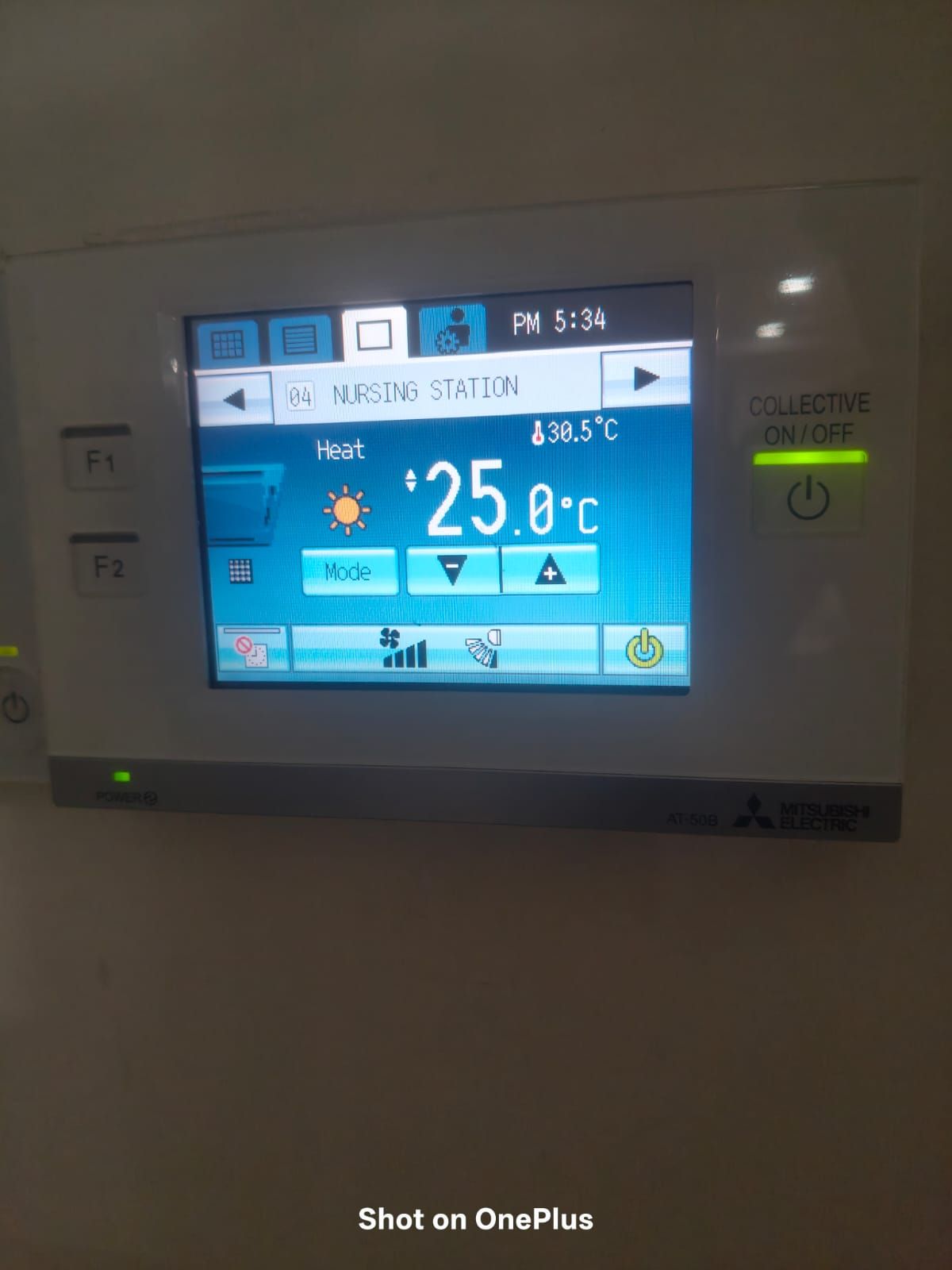
When an HVAC compressor struggles due to dirty coils or restricted airflow, it draws more current (Amperage). This extra load creates heat in your electrical panels, wears out contactors, and can lead to premature motor failure. By integrating the maintenance of both, we stop the "death spiral" of electromechanical degradation.
1. Power Quality and Motor Longevity
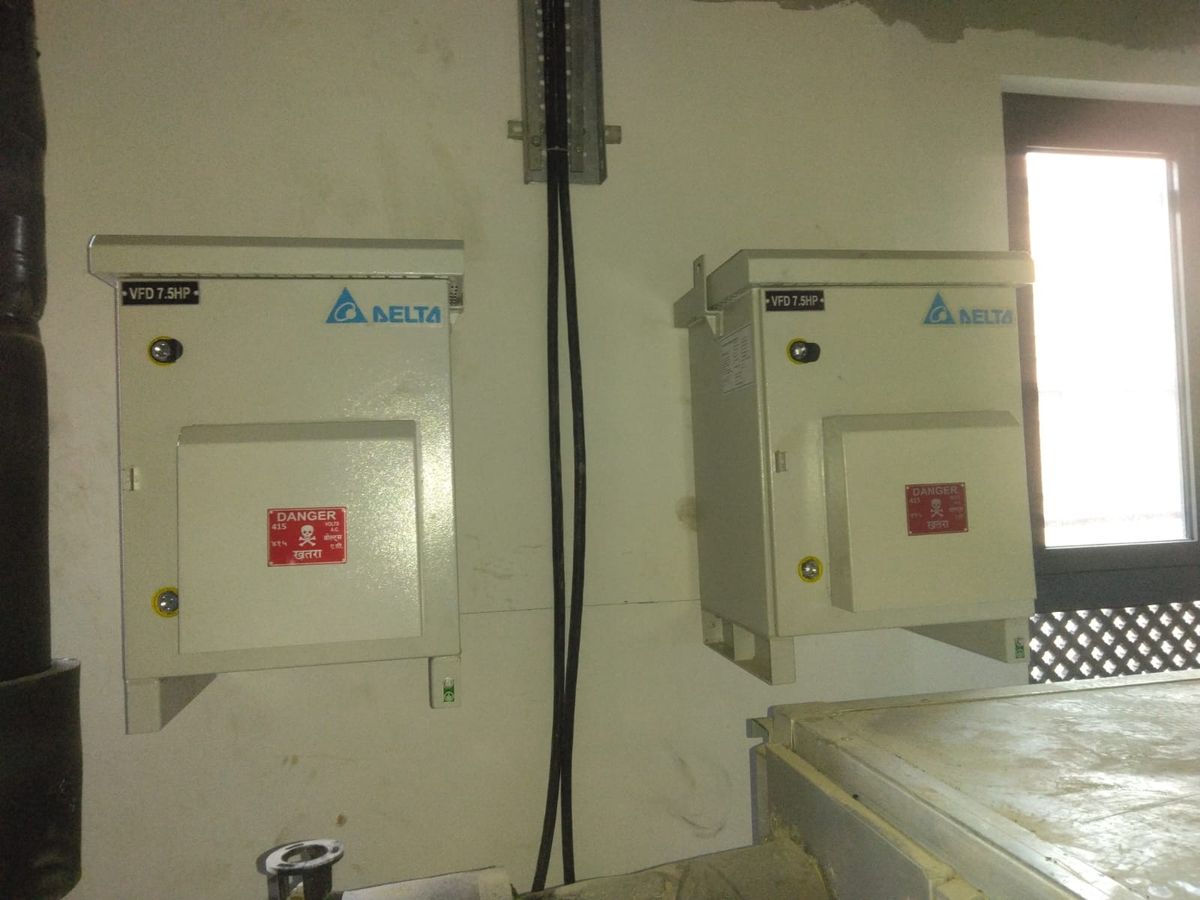
In Nepal’s industrial zones, voltage fluctuations are a common reality. For high-capacity HVAC units, "dirty power"—spikes, sags, and harmonic distortion—is a silent killer.
2. Smart Building Automation (BMS) Integration
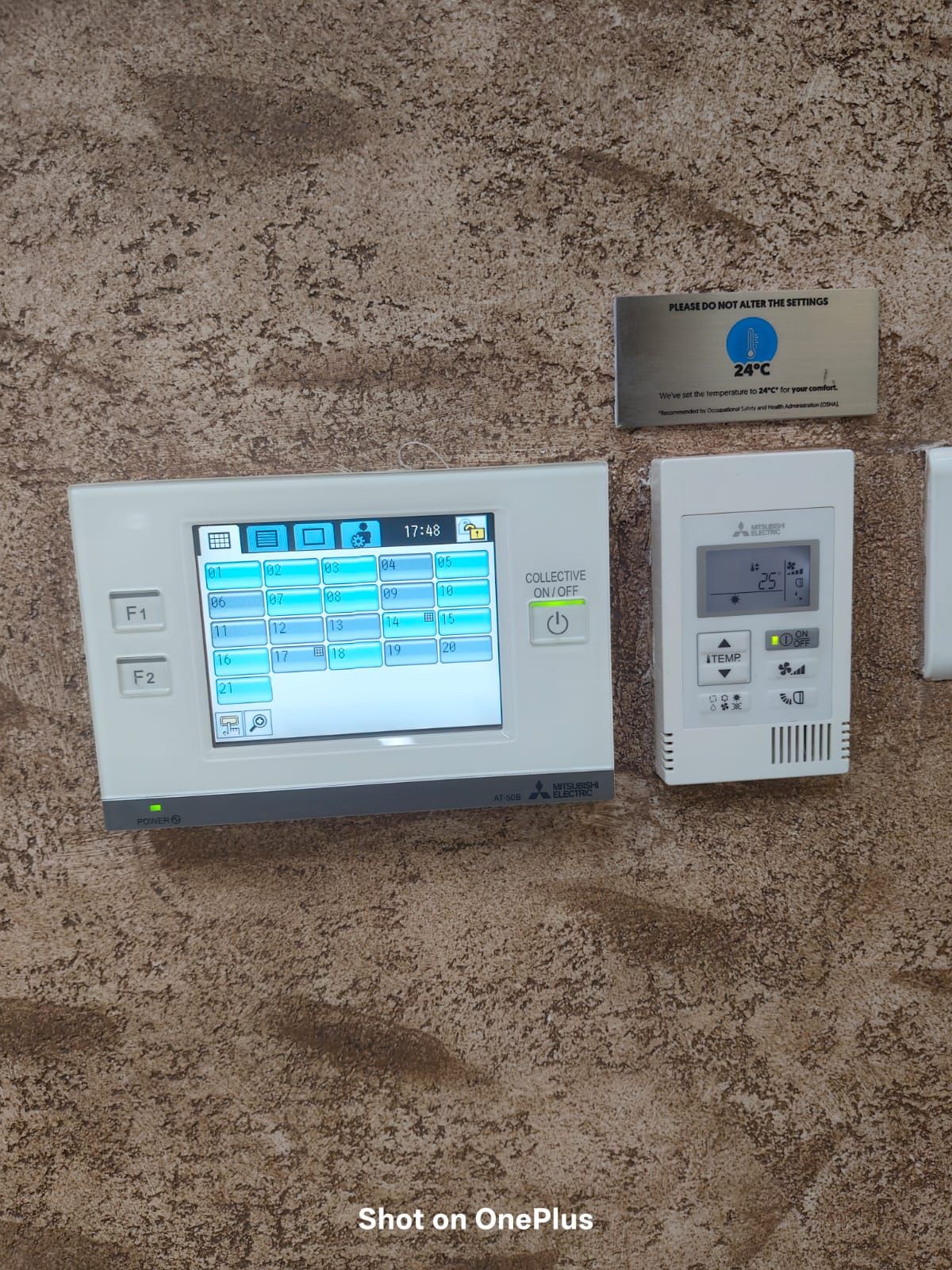
The true power of modern MEP is realized through a Building Management System. This is where Mechanical and Electrical systems finally "talk" to each other.
3. Plumbing & Mechanical Coordination
Plumbing is often the forgotten pillar of MEP, but for water-cooled HVAC systems, it is the most critical. If the plumbing system’s water treatment fails, scale builds up in the chiller’s heat exchanger. Just 1mm of scale can increase electricity consumption by 15%.
4. The "Single Point of Accountability" Advantage
When you hire separate contractors, they often blame each other for failures. By choosing an integrated MEP service provider like Kalika Devi, you eliminate this conflict. Our teams work from a unified set of drawings.
Continue Reading
More engineering insights from Kalika Devi.